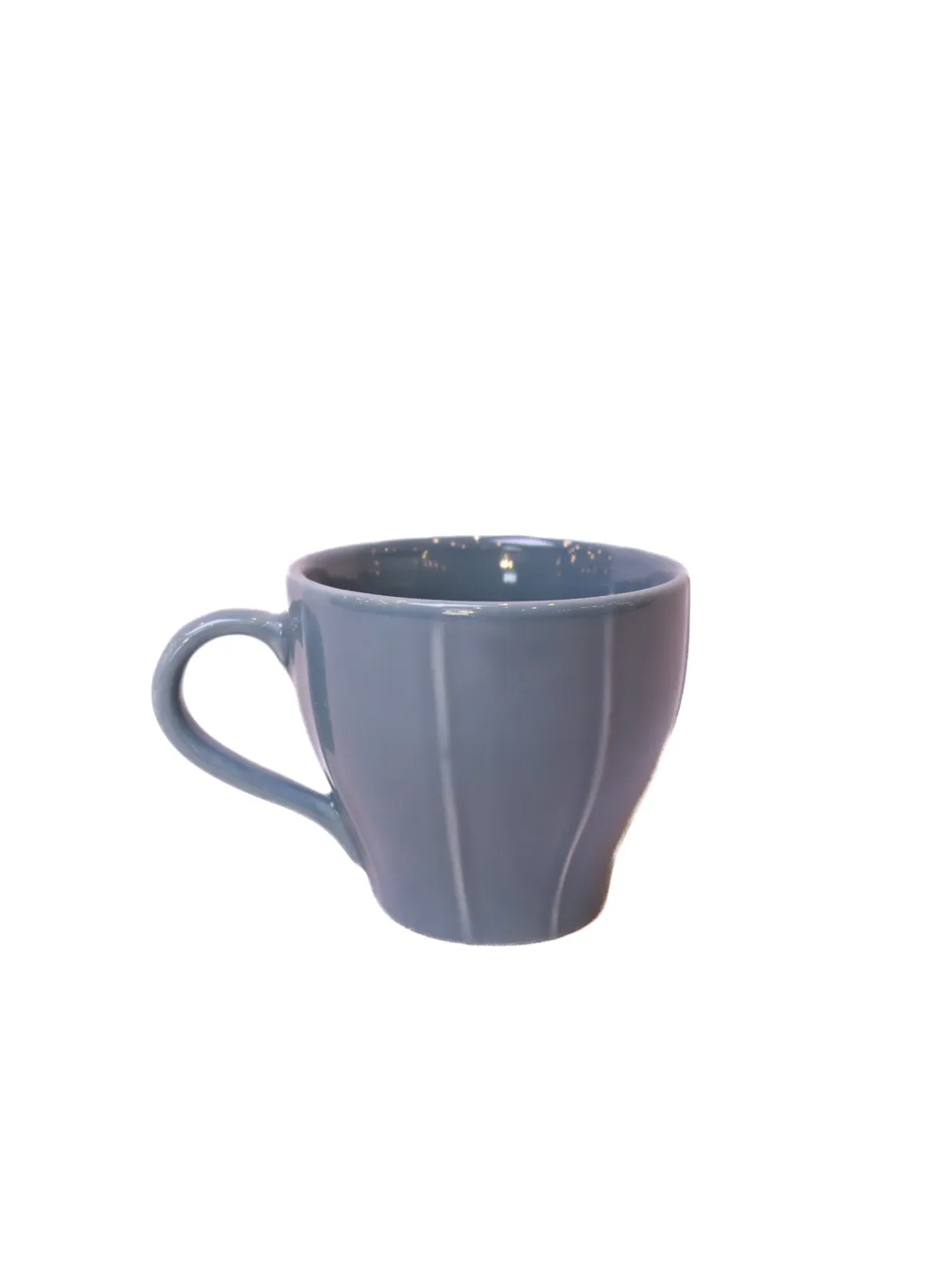
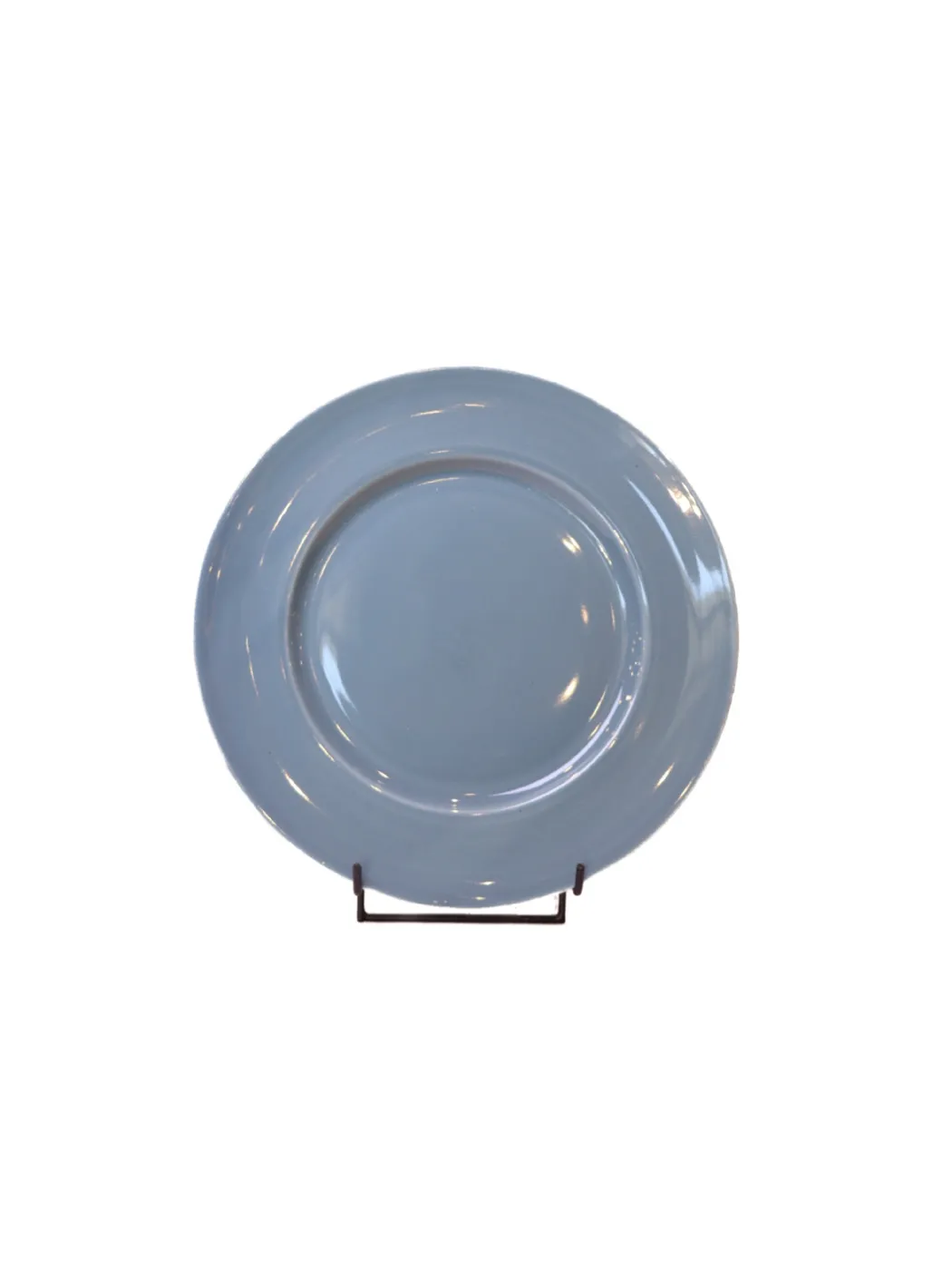
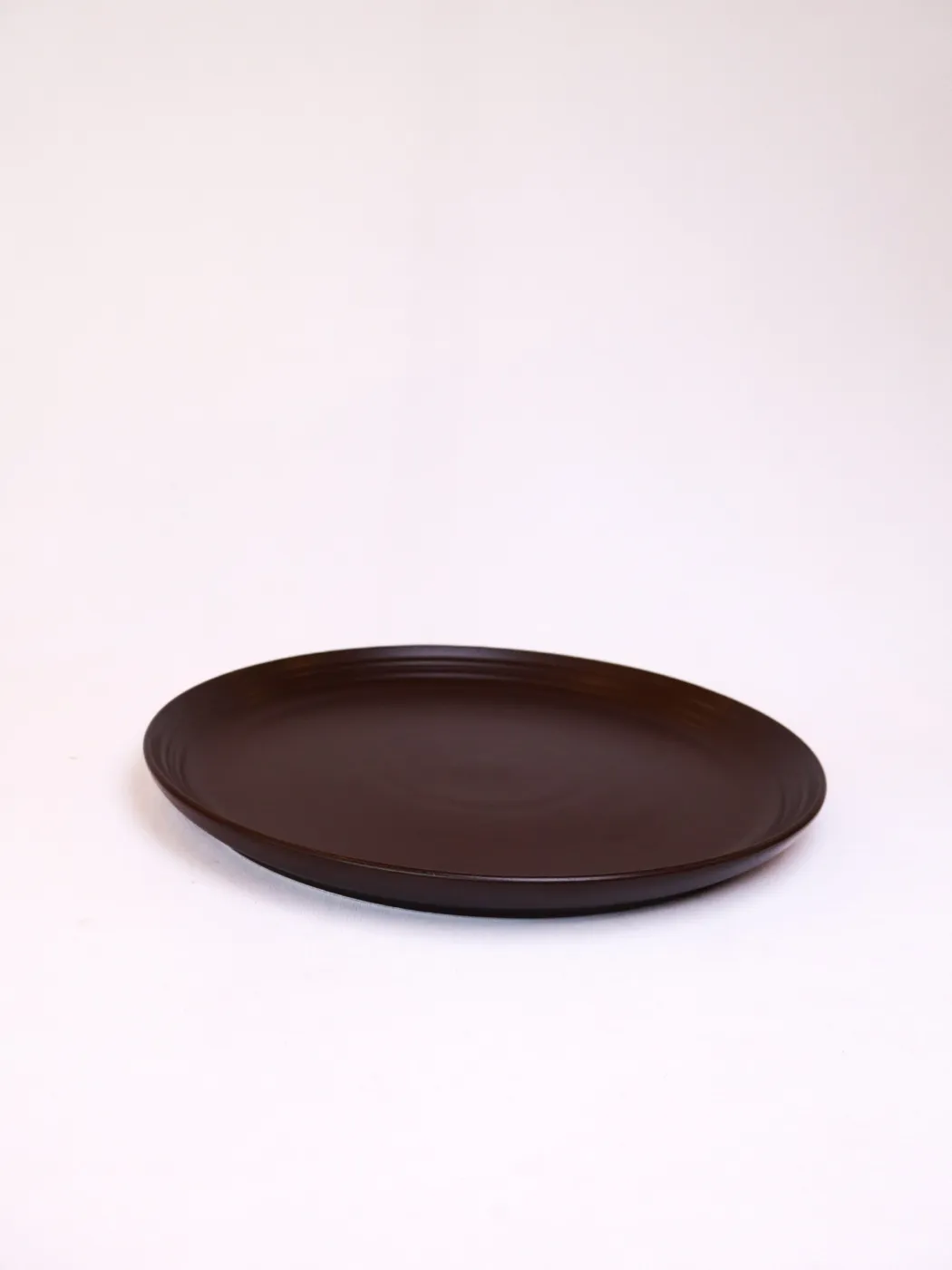
Why no two handmade pieces are the same
Small differences in colour, glaze and size are what handmade means. Here is where they come from.
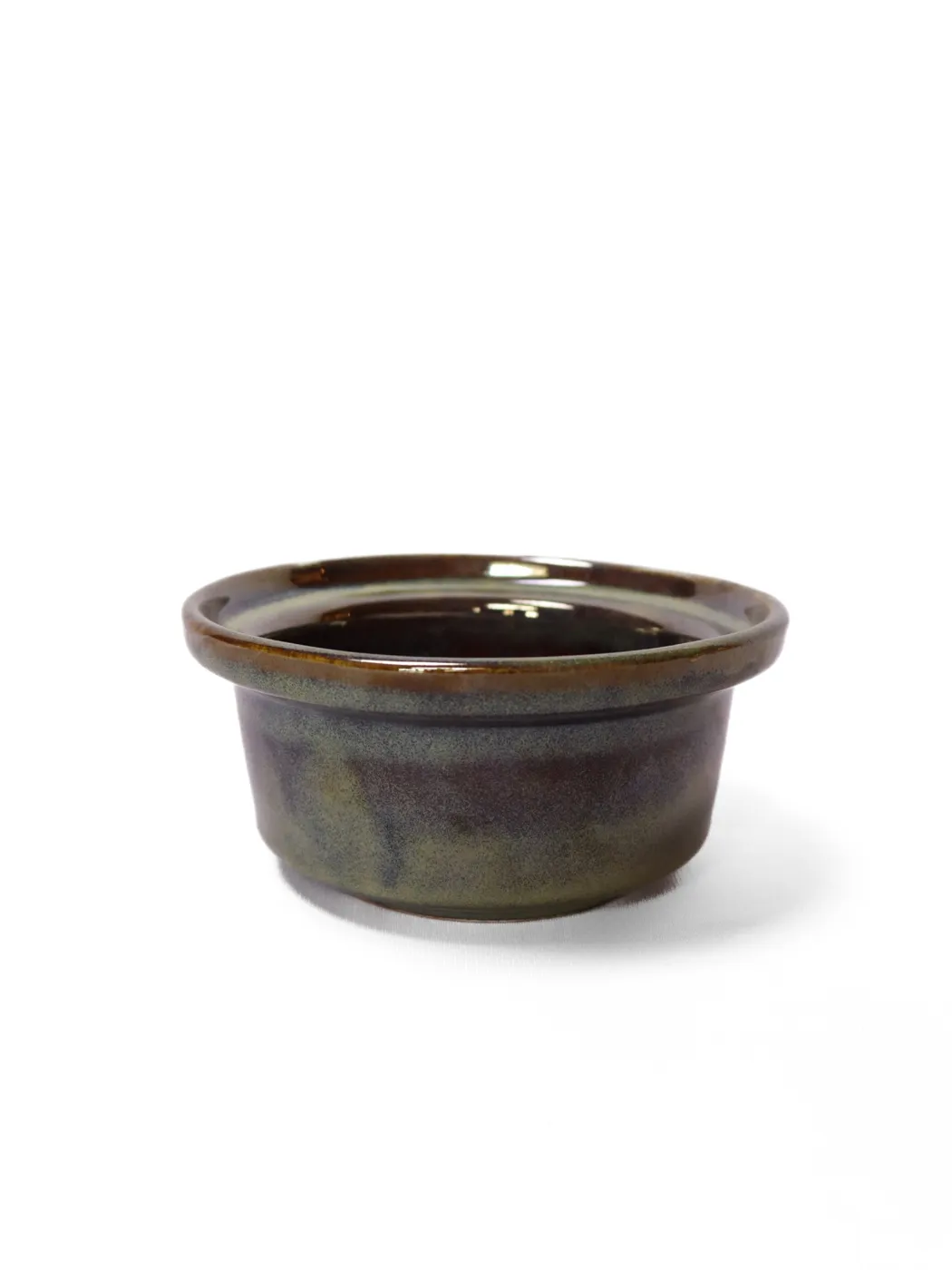
A handmade piece is shaped, glazed and fired by people rather than stamped out by a machine. That is why it has character — and also why the bowl in your hand will never be an exact copy of the one in the photograph.
Where the variation comes from
Every stage adds a little.
- Shaping: hands leave slightly different curves, rims and thicknesses
- Glazing: glaze pools in some places and runs thin in others
- Firing: where a piece sits in the kiln changes how its colour develops
What is normal
Slight differences in tone from piece to piece, speckles, a rim that is not perfectly round, and a few millimetres of difference in size are all part of a handmade finish. Glazes that are designed to react in the kiln vary the most, and are meant to.
What is not
A crack, a chip, or a piece that rocks on a flat table is a fault, not character. If something arrives like that, tell us.
Buying with variation in mind
If you want pieces that sit closely together, buy them in one order rather than adding one later. And if you enjoy the differences, mix freely — a table of pieces that are related but not identical is the whole point of handmade.